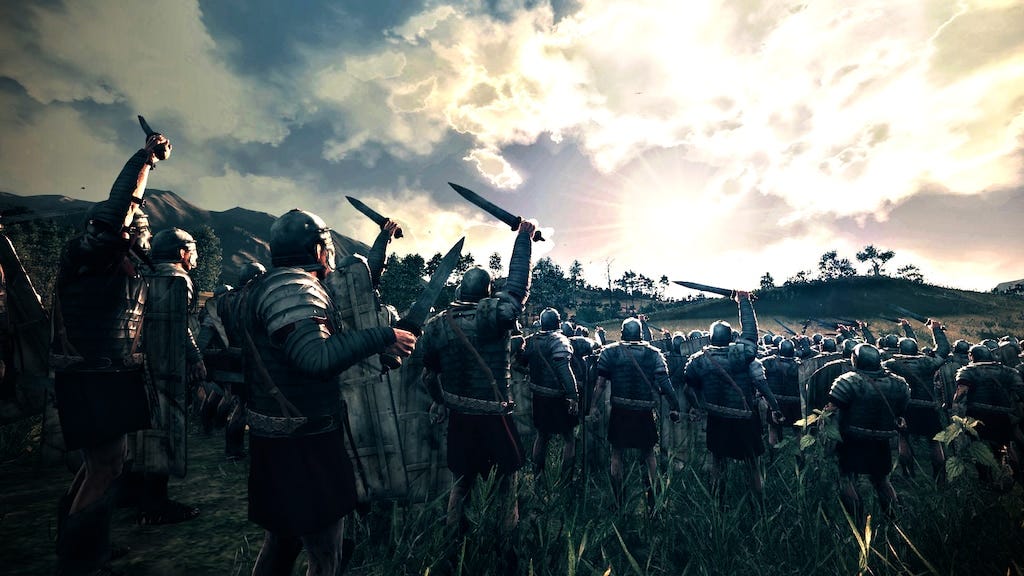
The Fox & the Hedgehog
The rise of Rome

“The Fox knows many tricks, the Hedgehog knows one good one”.
It is ~200BC in Greece. Meet the Hedgehog.
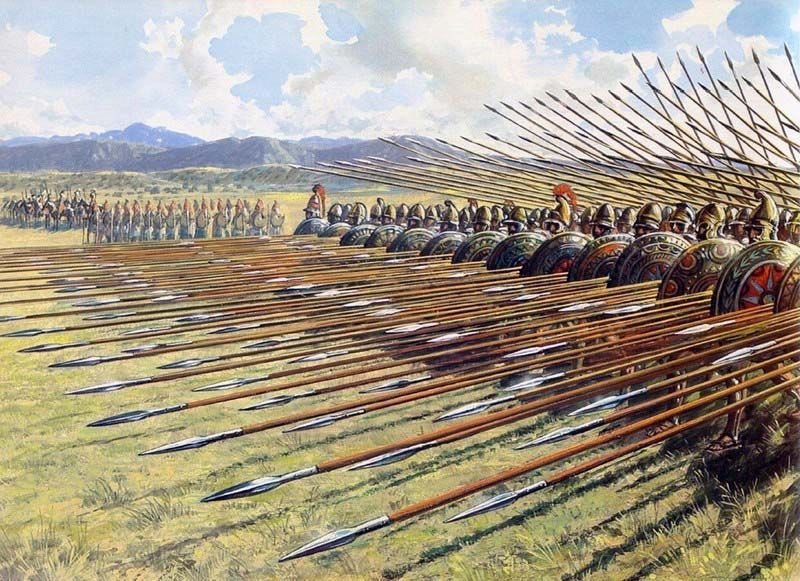
This is the Greek Phalanx - a dense wall of spears carried by men in heavy armor, called Hoplites.
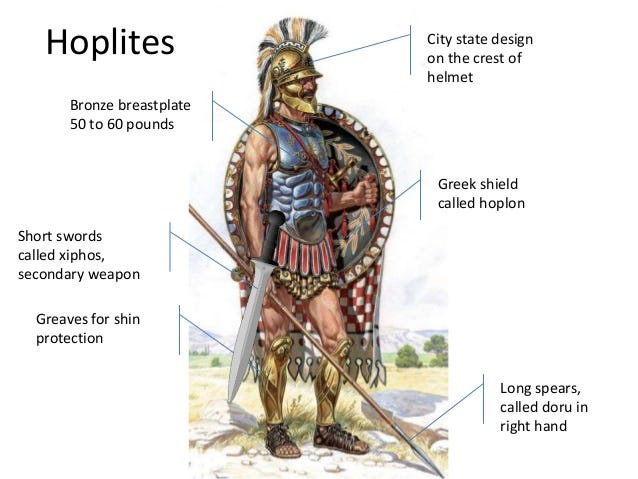
Put a few thousand of these hoplites together, their spears bristling, and you get one of the deadliest war machines ever built. It is the Phalanx that stopped the Persians. It is the Phalanx that Alexander the Great used to conquer all the way from Greece to India.
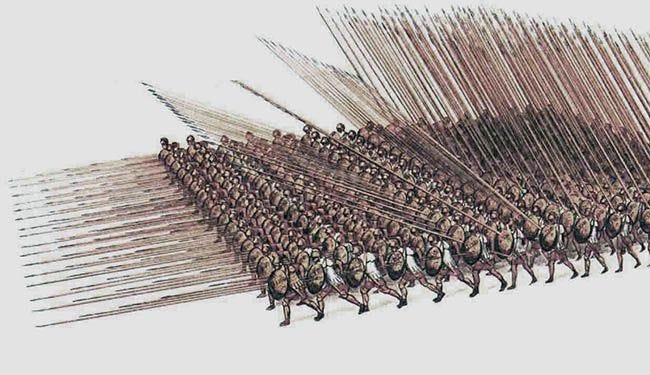
But something ominous was coming. Not from the East, but from the West.
A tribe of Latins from a city called Rome.
Meet the Fox.
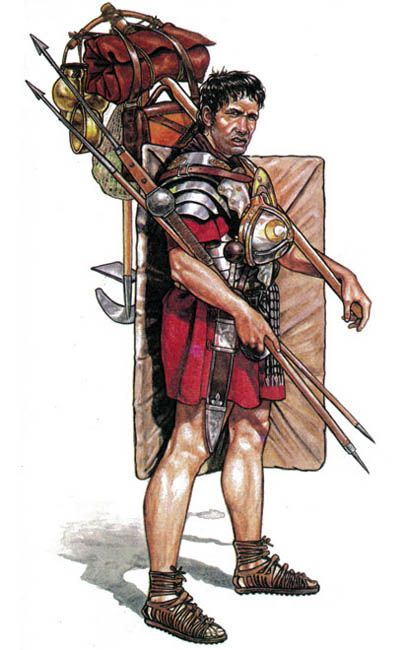
Wait, whaaaat? I know what you are thinking. The Fox doesn’t look fearsome.
But here is the strange thing about war. It’s not just the fighting. It’s also the feeding. One of the greatest generals in the world said it better.
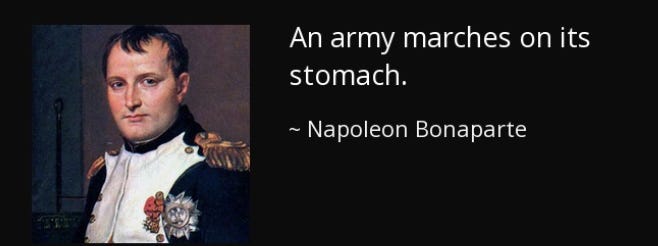
To fight, an army needs food, lots & lots of it.
A typical Roman legion (4800 men) ate a lot every day.
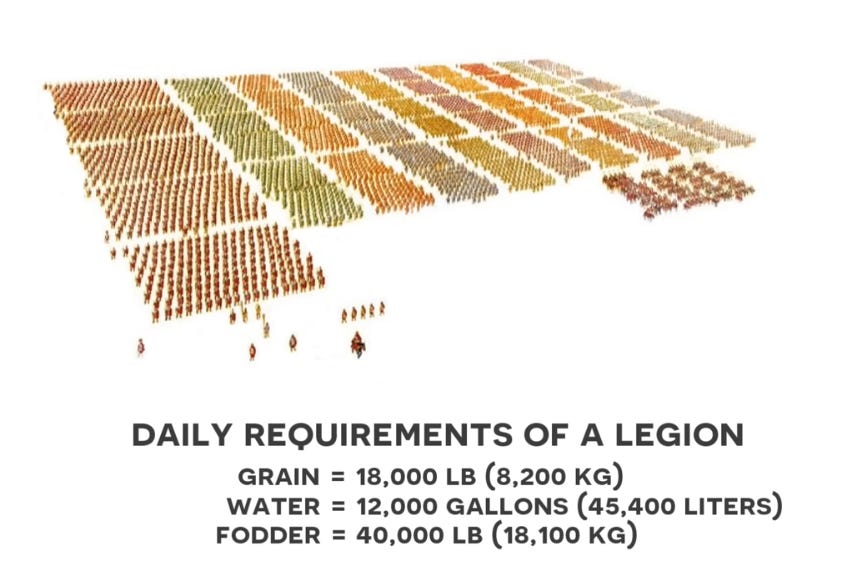
Mastering warfare is about mastering logistics. The Romans did this better than most. Let’s take a look at this through the life of a lone Roman soldier, a Legionnaire. The soldier is marching with his Legion of 4800 men.
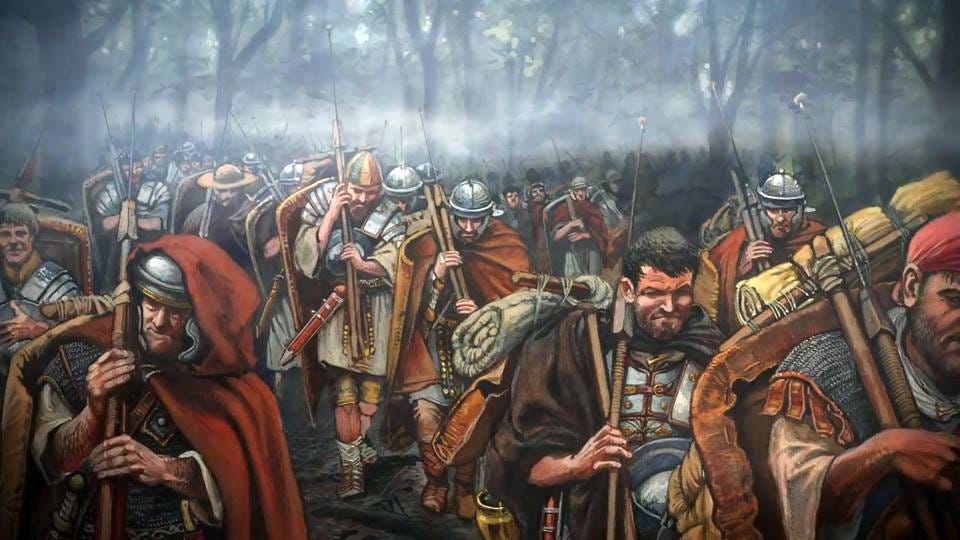
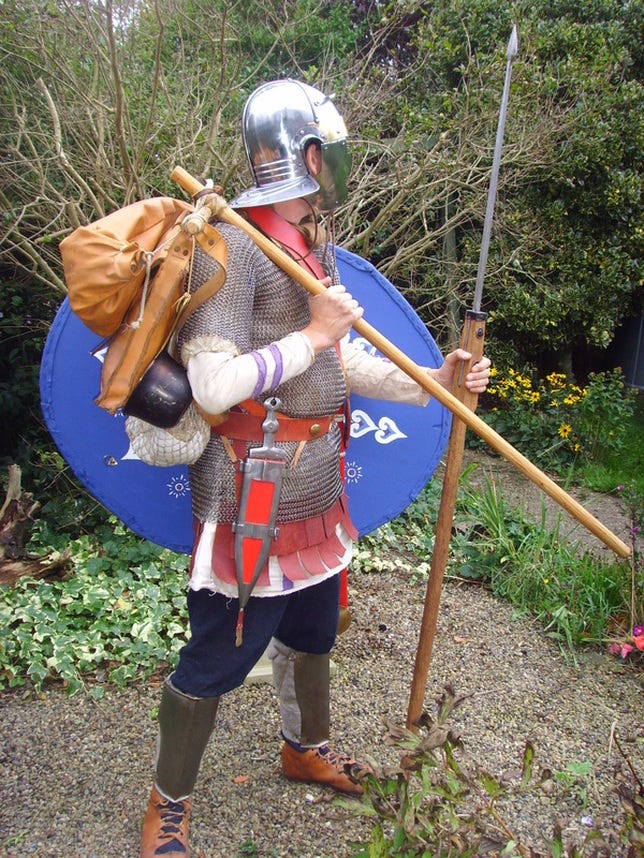
Notice something about them. They carry a lot of weight. While the Greek soldiers used a lot of slaves, the Romans carried a lot more stuff by themselves. They used a pole called the Furca and carried it like a backpack.
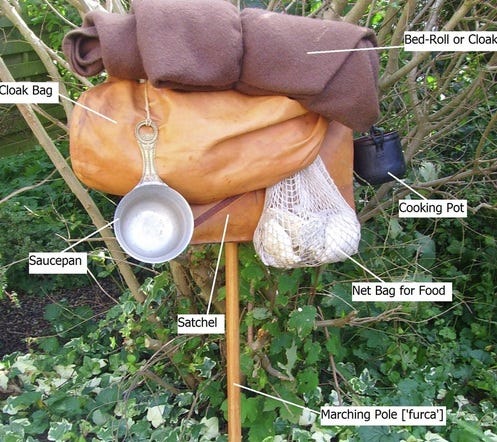
This had around 2 weeks of flour that they had to cook themselves. Besides this, they carried their armor, helmet, sword, shield & spears. It was an easy 60 pounds.
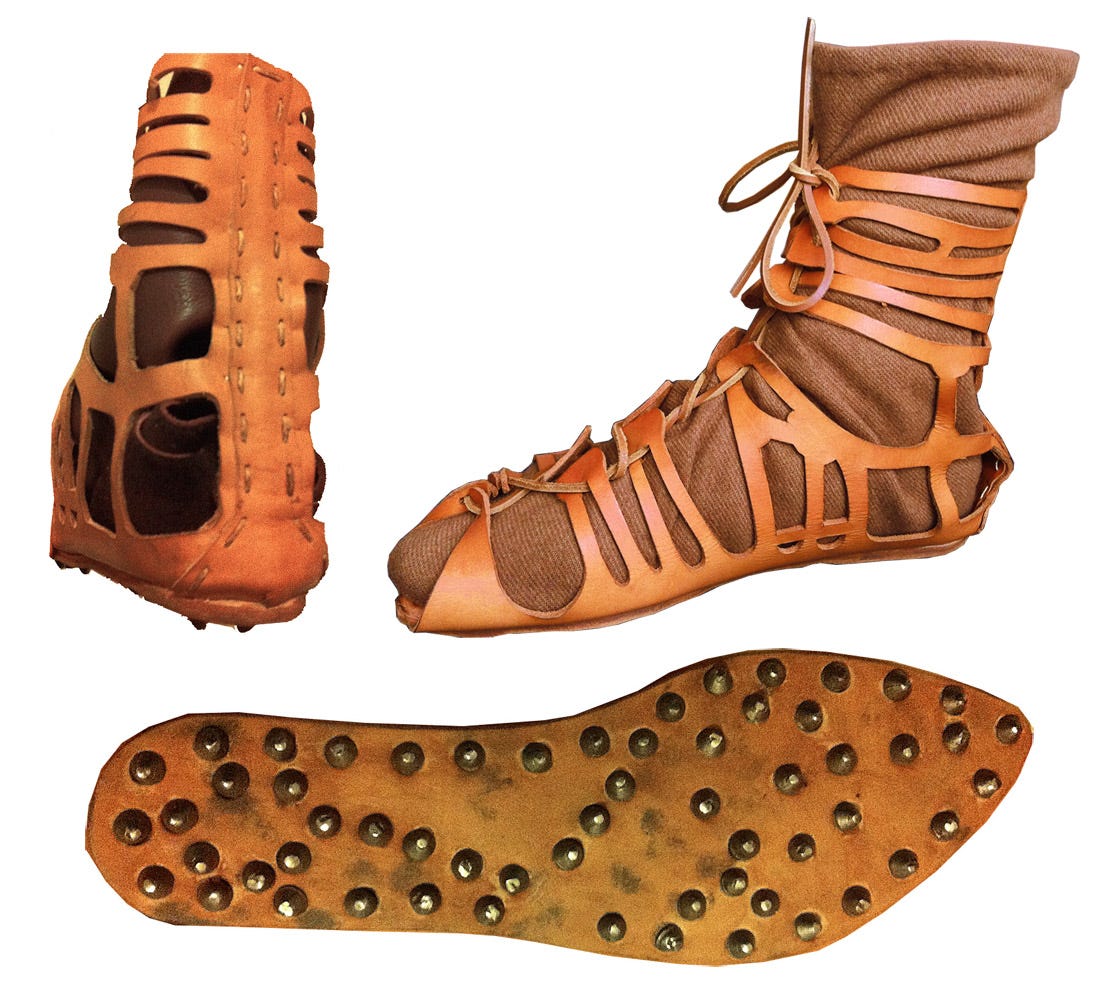
Then the Legion marched - 20 miles a day on full load wearing these boots called Caligae.
Compared to other armies of the day, the Legions were fast and agile. At the end of the day, the Romans couldn’t just sit down & sleep. They first had to build a camp.
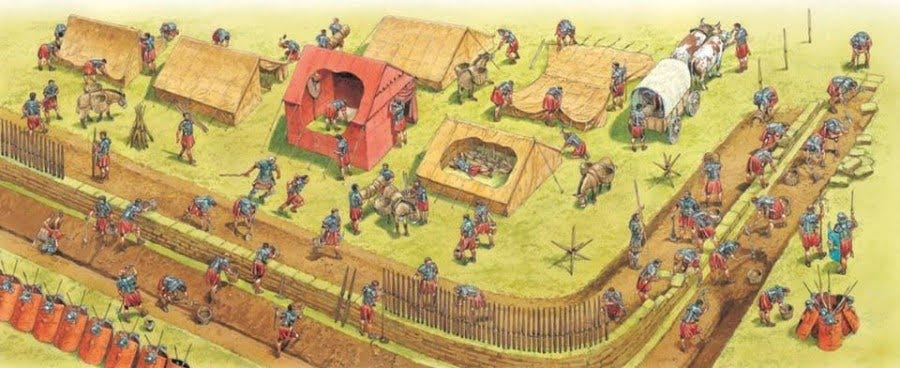
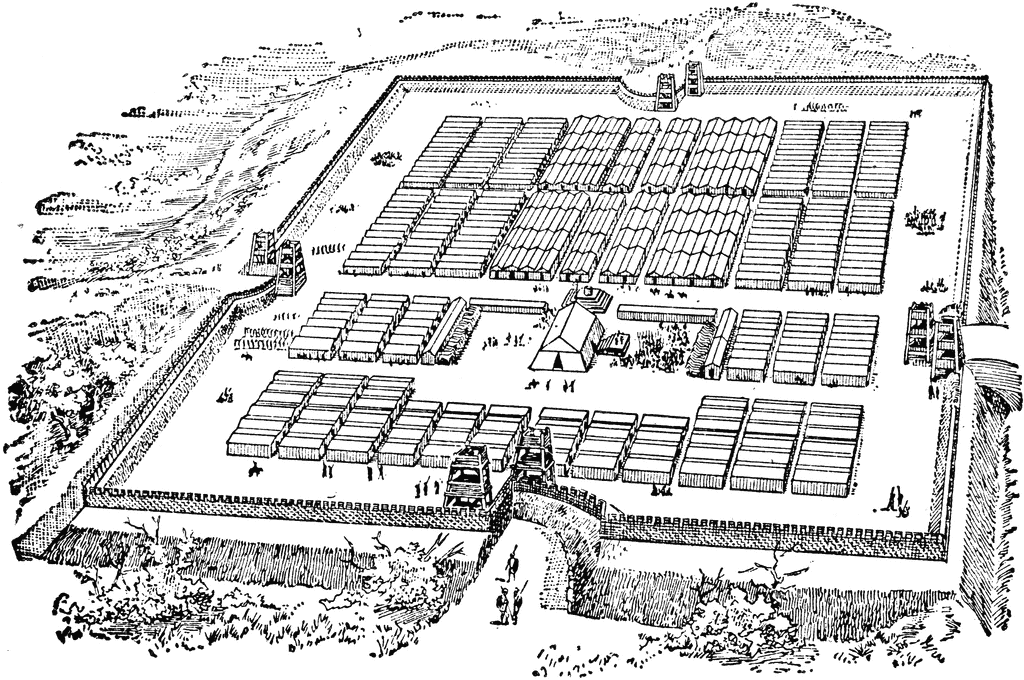
These marching camps were essentially fortified mobile cities. They had a predetermined layout. Within them, the Legions were safe from the enemy.
But their task for the day was not done yet. Next came the cooking.
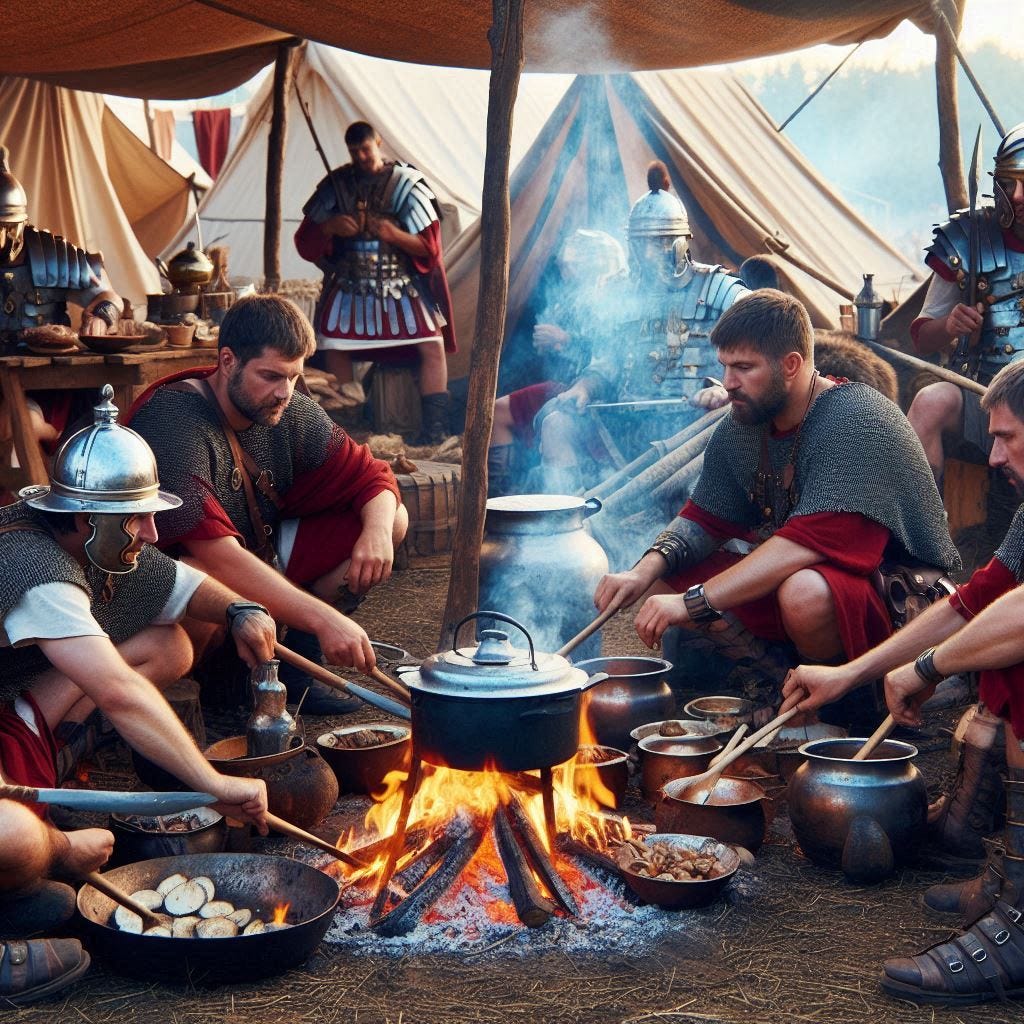
A soldier needed at least 2000 calories of food a day. Each Roman soldier carried grain for 2 weeks and prepared their own bread. A system of foraging and pre-arranged set of supply depots would ensure the Legions had enough food. A well fed soldier was an effective soldier & the Romans ensured that their Legions would always have enough to eat.
Now that dinner was done, the legionnaire could finally fall asleep. His limbs are aching from the day’s march and setting up camp. But his stomach is full & he is safe within the camp walls. He can sleep soundly, for in the morning, he will have to fight.
Before even the fighting began, the Romans had a massive tactical advantage. They were well-fed, well-rested & quickly presented themselves in enemy territory in large numbers. Then they had 2 more advantages - they were well-armed and very very well-trained.
In ancient warfare, foot soldiers were of 2 main types - Light infantry & Heavy infantry.
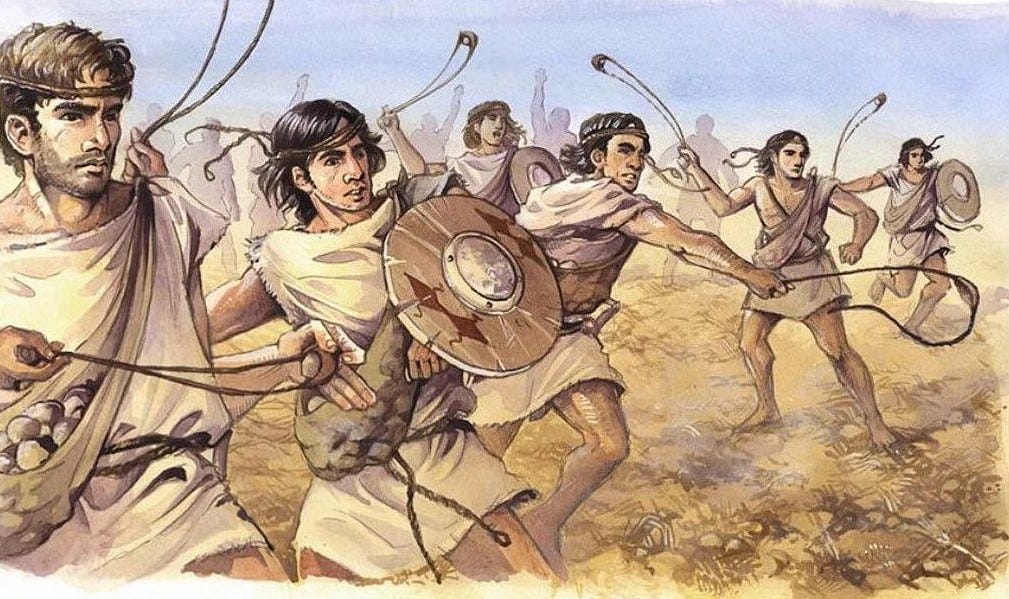
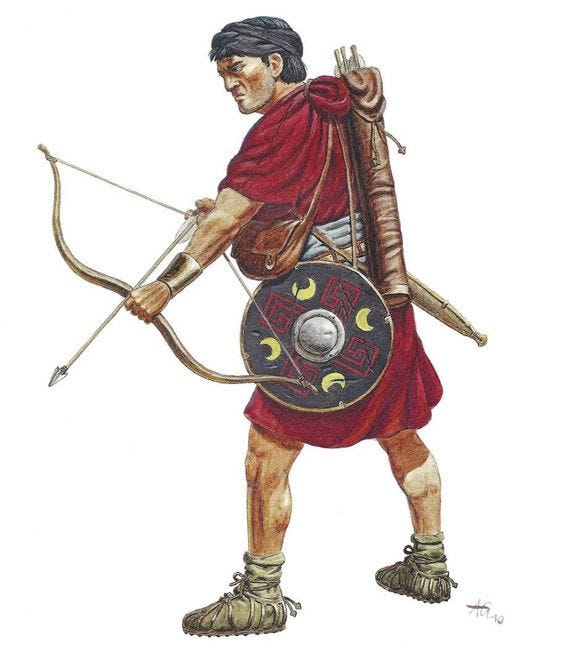
Light infantry were troops who wore light (or no) armor. They fought with projectile weapons and in open, loose formations.
Like the renowned Balearic Slingers
Or the Cretan Archers
Or the Agrianian Javeliners
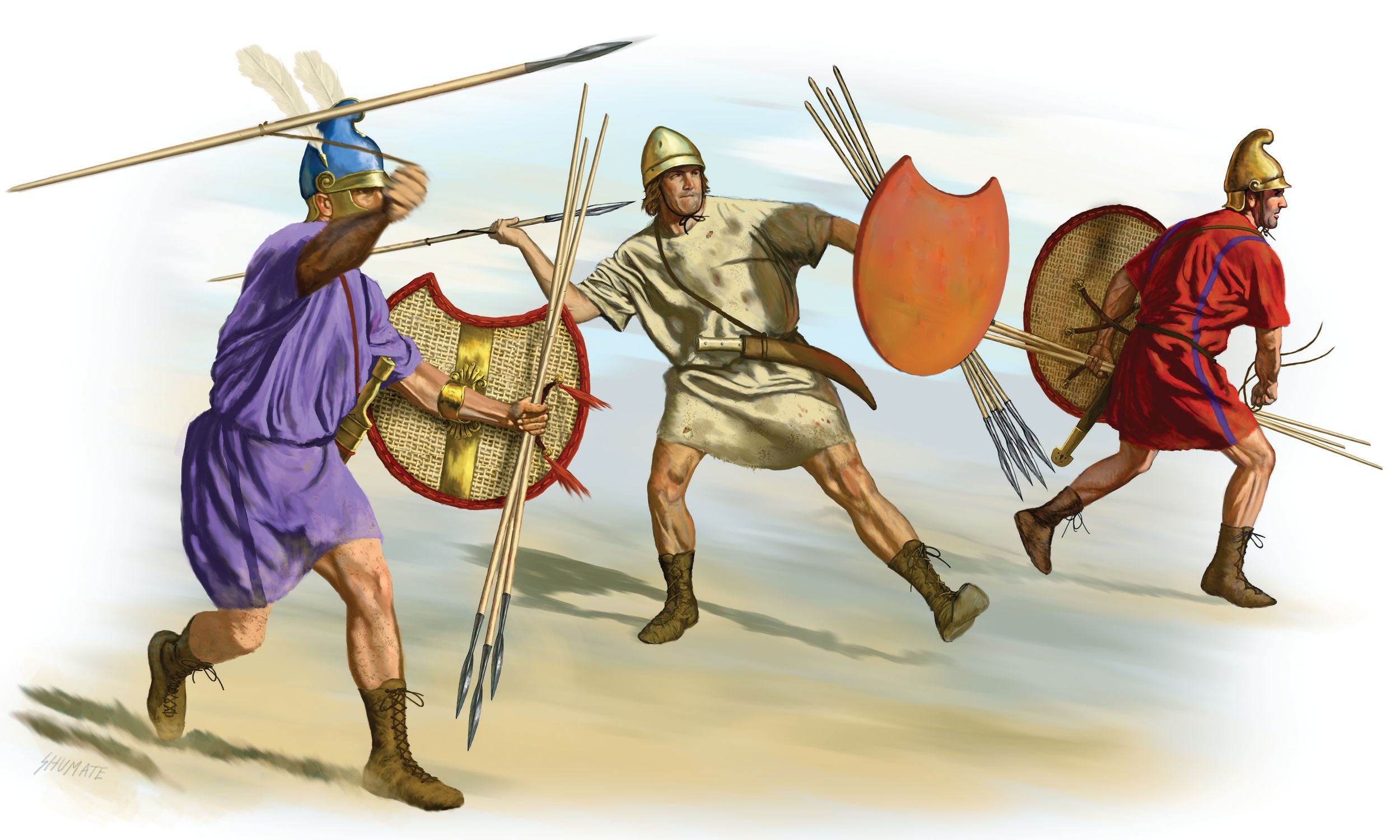
Heavy infantry wore heavy armor and fought with thrusting weapons - like the sword, spear or lance.
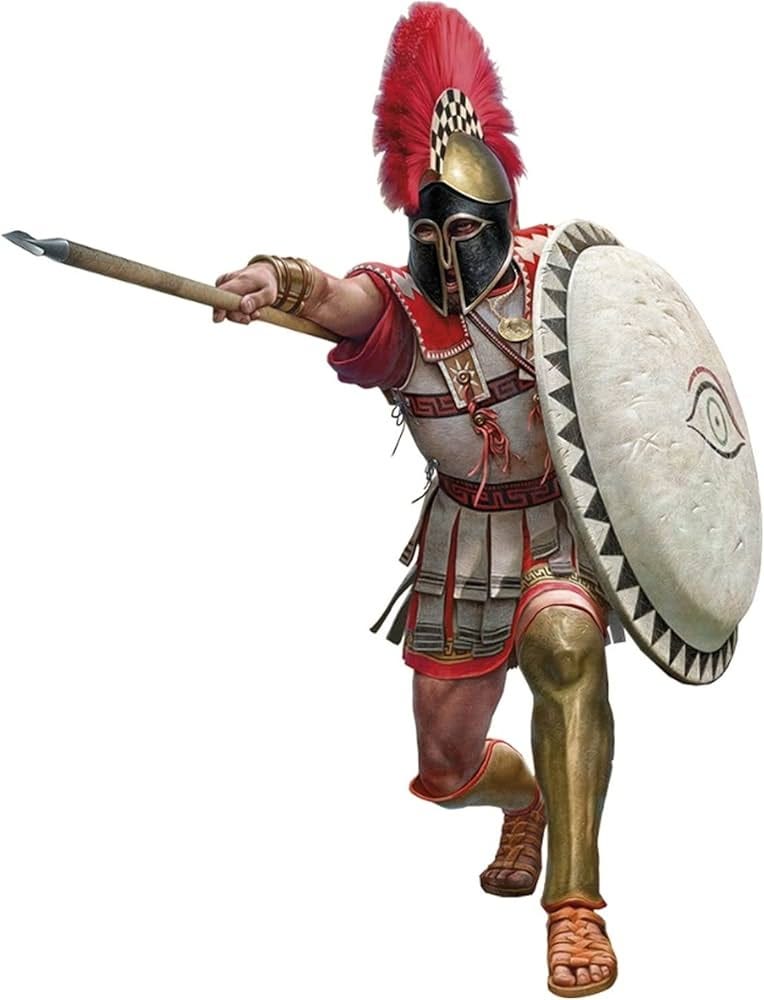
They fought in densely formed ranks like the Phalanx & formed the bulk of the Grecian armies.
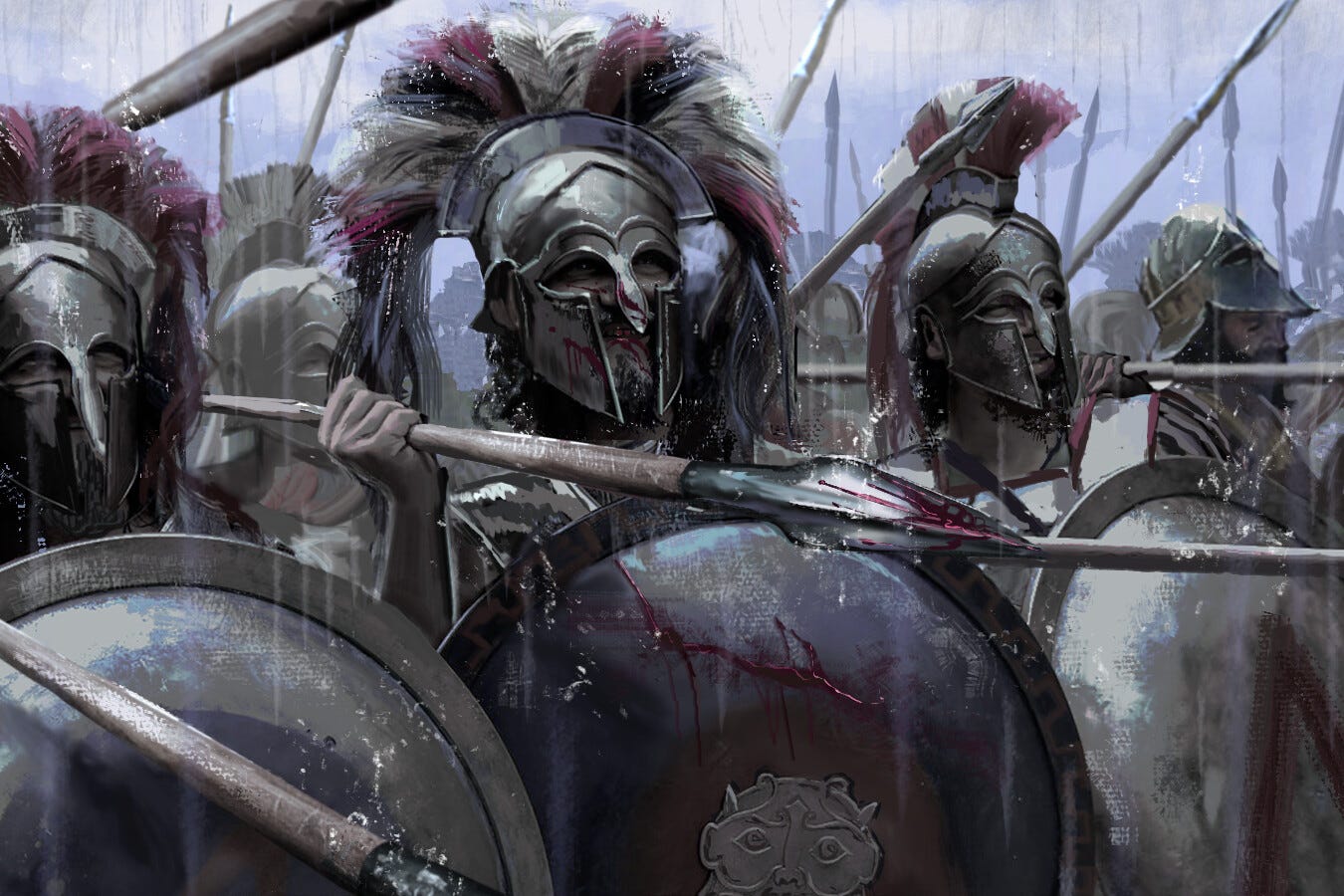
Both Light & Heavy infantry had their strengths and weaknesses. But the Romans took the best of both worlds.
This is a Legionnaire ready for battle.
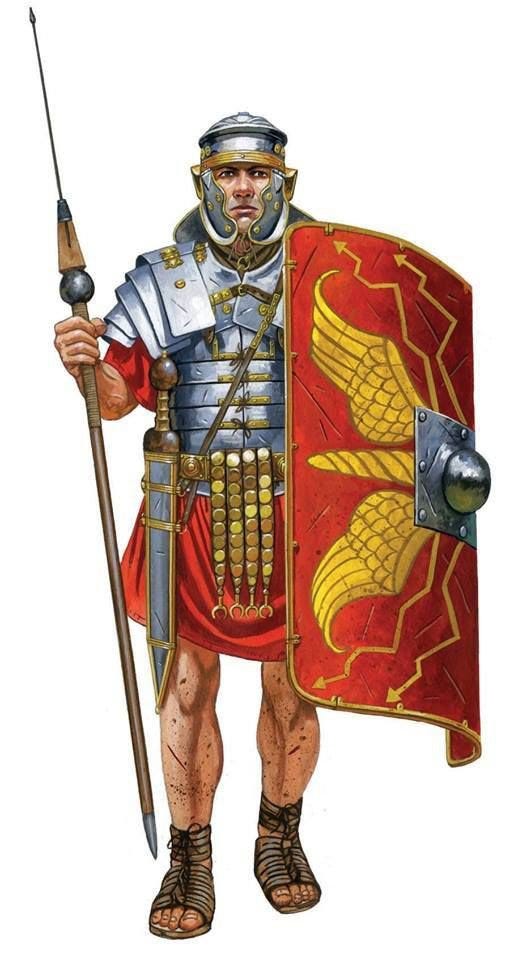
At first, he looks like your typical heavy infantryman. Helmet, shield, armor (notice even the crotch-guard belt!) But he has 2 other things - a sword (the legendary Gladius) & a javelin (the Pilum).
When they approached the enemy lines, the legionaries would first hurl their javelins.
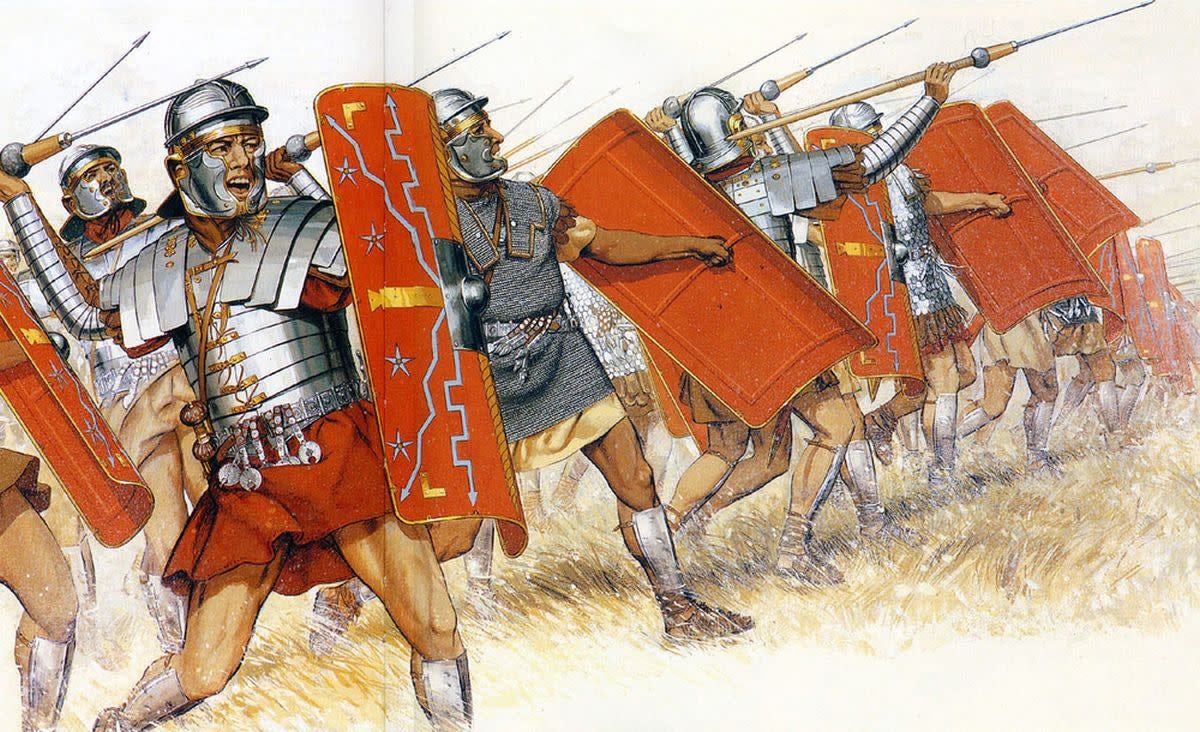
And then draw their Gladius’ and go for the kill.
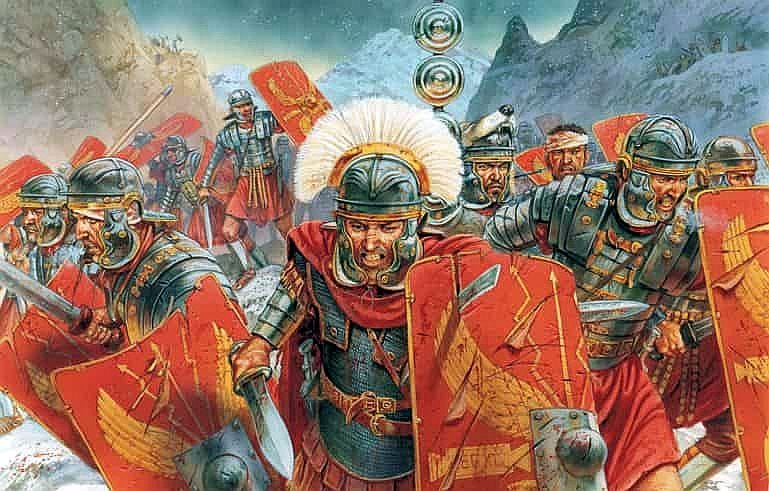
The Romans trained their legionaries relentlessly. Their training swords were much heavier than their real fighting swords, forcing them to develop stronger muscles. They would be taught not to slash with their swords but to stab with the tip. An enemy can survive a long slash, but no man can survive a short, well-placed stab.
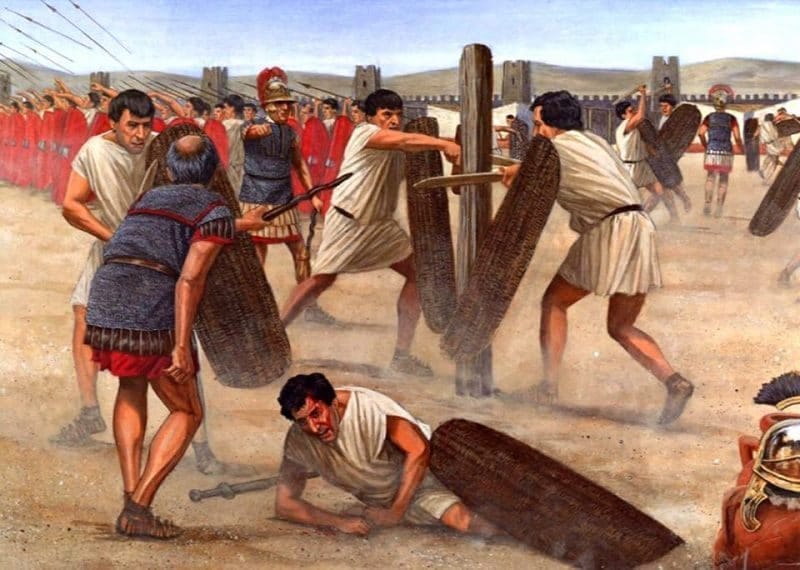
It is said “their drills were bloodless battles, their battles bloody drills.”
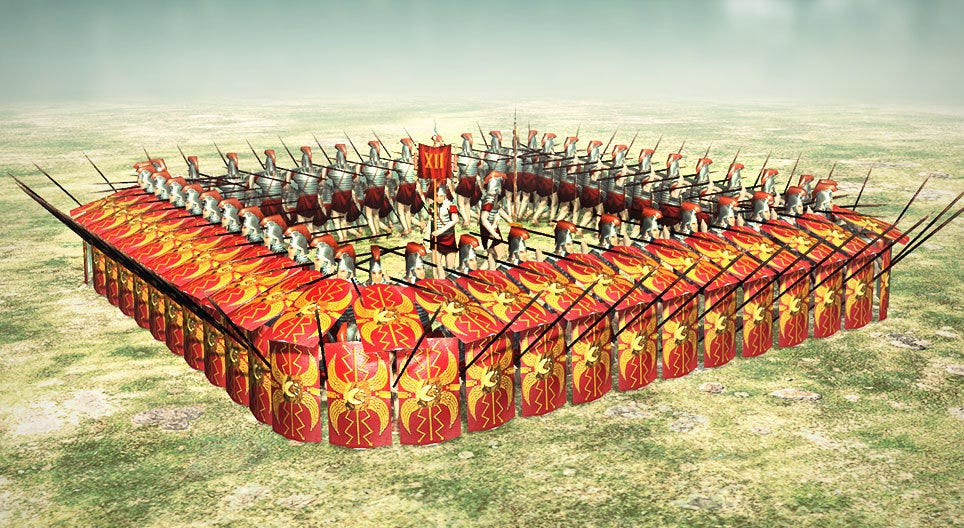
The Romans fought in maniples. A less dense formation than the Phalanx. It was more maneuverable and allowed greater flexibility.
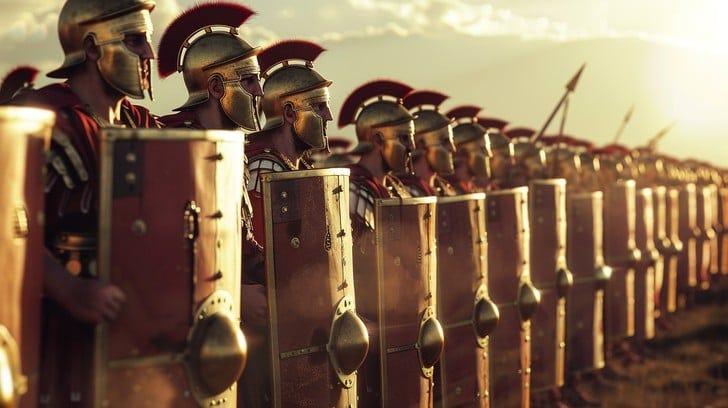
These could easily form squares to stop cavalry.
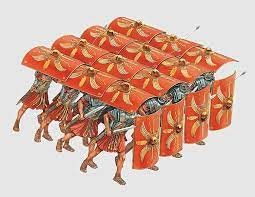
Or do the famous Turtle formation to besiege cities.
It was inevitable that the Fox would meet the Hedgehog. It would happen in the Battle of Cynoscephalae in 197 BC.
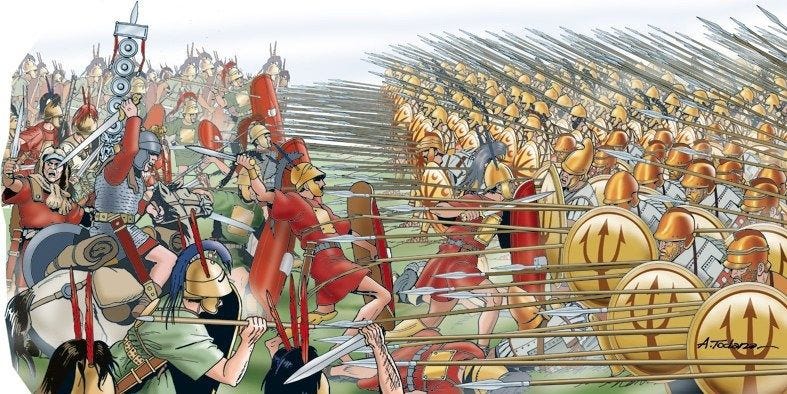
The Macedonian Phalanx in Blue under King Philip would square off against the Roman Legions in Red under Flaminius.
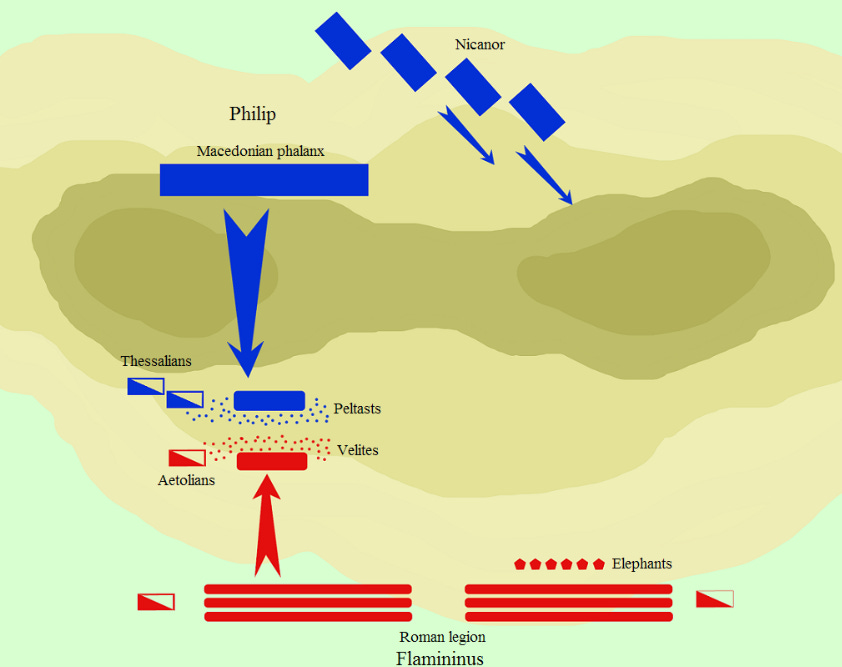
The battle seemed to be evenly matched. On the Left, the Phalanx pushed back against the Legions .
While on the right, the Legions pushed back against the Phalanx.
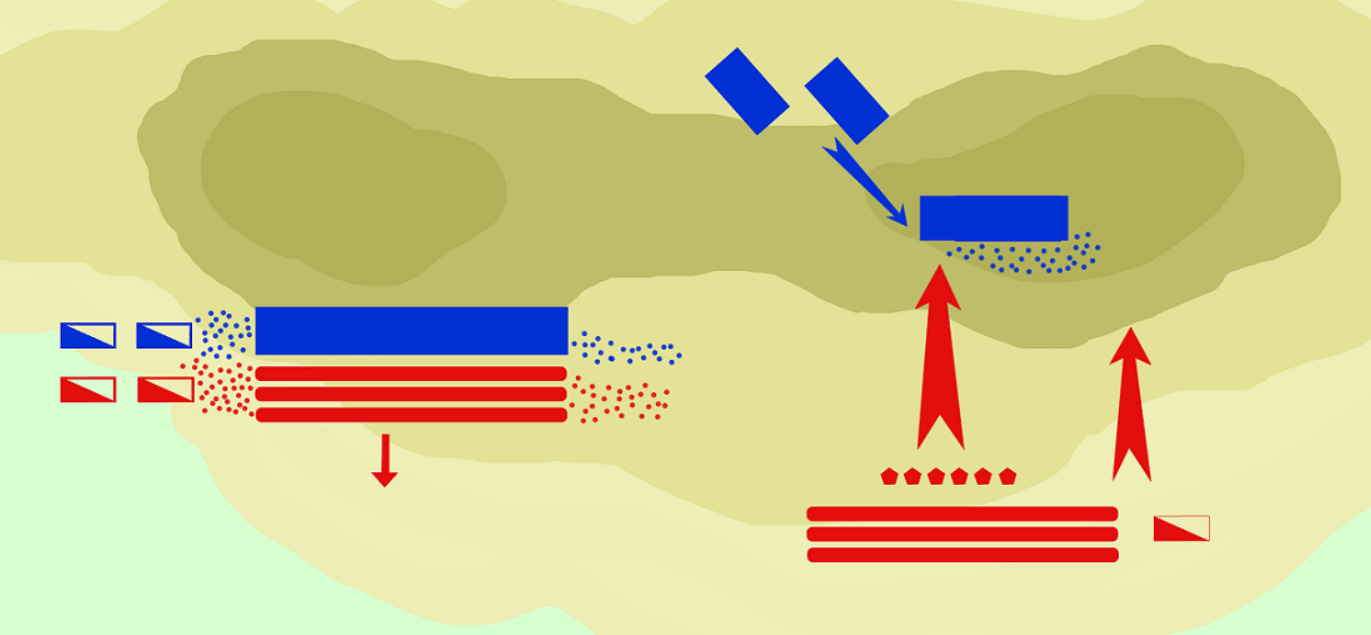
But it is here the strength of the Legion shows itself. A tribune on the Roman right notices that the battle on the right wing is being won, but the battle on the left wing is not.
He quickly takes 2500 men and turns left to take Macedonian left wing on the back.(green arrow)
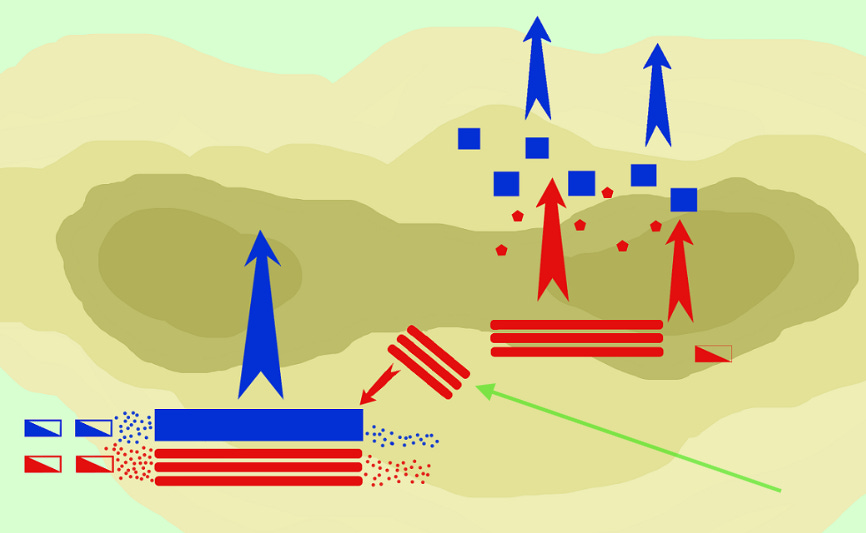
History doesn’t remember the name of this tribune, but the tribune changes history. The legions fall upon the phalanx from the back and slaughter them.
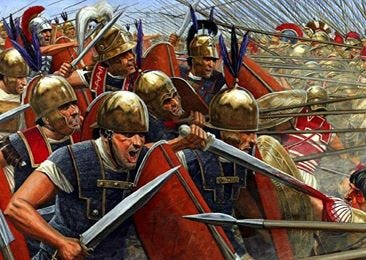
The age of the Hedgehog is over. The age of the Fox has begun.
And what an age that was.
With its legions Rome would form one of the largest & longest-lived empires this world has seen.
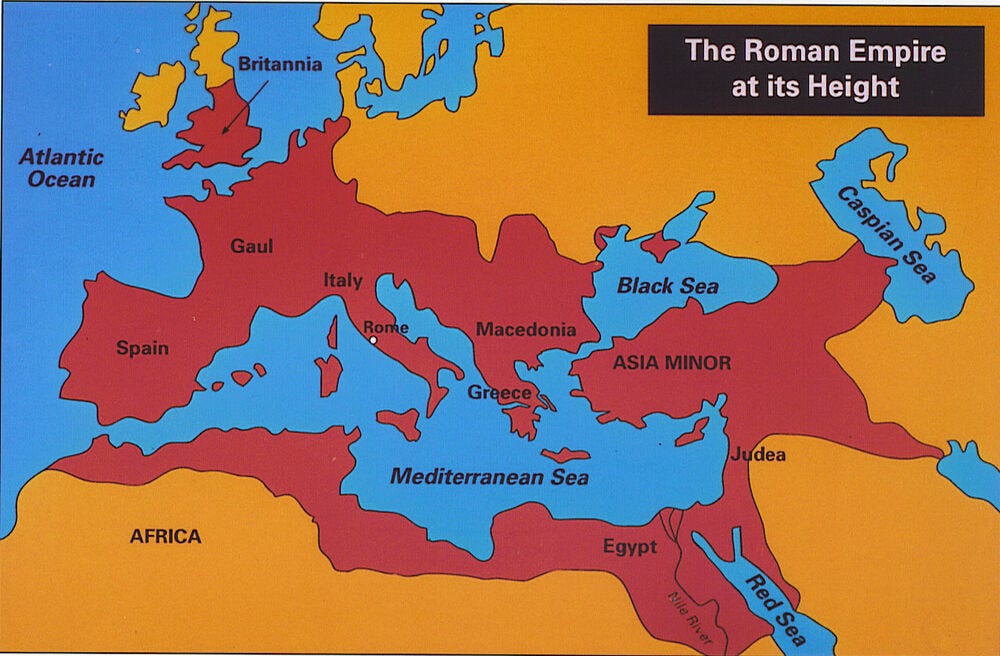
The Hedgehog may have known one good trick, but this Fox knew many good ones!
Roma Victor!